
If you haven’t shopped for flooring in the last five years, you’re in for a shock. The vinyl section isn’t the sad corner with peel-and-stick squares anymore — it’s the biggest, busiest part of the store. Luxury vinyl plank (LVP) has quietly become the best-selling flooring in America, and once you understand what modern vinyl actually is, the reasons are obvious.
But the terminology is a mess. LVP, LVT, SPC, WPC, rigid core, luxury vinyl — salespeople throw these around like everyone took the same class. Nobody did. So let’s fix that: this guide covers what vinyl flooring actually is, the types worth knowing, whether it’s really waterproof, honest pros and cons, costs, and how to buy the right one.
What Is Vinyl Flooring? (And What Is LVP?)
Let’s start with the question everyone Googles: what is LVP flooring?
LVP stands for luxury vinyl plank — individual planks (usually 6–9 inches wide, 48–60 inches long) designed to mimic wood. Its sibling, LVT (luxury vinyl tile), comes in square or rectangular tiles designed to mimic stone or ceramic. Same material family, different shapes.
Both are made primarily from PVC (polyvinyl chloride) with a photographic design layer and a transparent wear layer on top. The “luxury” part isn’t marketing fluff — it distinguishes these from the thin sheet vinyl and peel-and-stick tiles of the past. Modern LVP is thicker, more rigid, more realistic, and dramatically more durable.
The construction, bottom to top, typically looks like this:
- Backing layer — sometimes with attached underlayment (cork or foam) for sound dampening
- Core layer — this is where SPC/WPC differences live (more below)
- Design layer — the high-resolution photograph of wood or stone
- Wear layer — transparent PVC that takes the abuse, measured in mils (thousandths of an inch)
That wear layer is the single most important spec on the box. More on that shortly.
The Types: LVP vs LVT vs SPC vs WPC
This is where people get lost, so let’s untangle it carefully.
LVP (luxury vinyl plank) and LVT (luxury vinyl tile) describe the shape and look — planks that look like wood, tiles that look like stone. They’re not core types; they’re formats.
SPC (stone plastic composite) and WPC (wood plastic composite) describe the core — what’s inside the plank:
- SPC has a limestone-based core. It’s denser, thinner (usually 4–6mm total), more dent-resistant, and more dimensionally stable — meaning it handles temperature swings and sunlight better without expanding or gapping. This is the current sweet spot for most buyers.
- WPC has a wood-plastic composite core. It’s thicker (usually 6–8mm), slightly softer underfoot, and a bit warmer feeling. It was the original “rigid core” vinyl; SPC has largely overtaken it on durability, though WPC still feels nicer barefoot.
My honest take: for most homes, SPC is the better buy today. It’s tougher, more stable, and the price difference is small. WPC’s comfort advantage is real but minor — an underlayment under SPC closes most of the gap.
Then there’s sheet vinyl — vinyl sold in big rolls (6 or 12 feet wide) rather than planks. Fewer seams, very waterproof, and the cheapest vinyl format. It doesn’t look as premium as LVP, but for laundry rooms, basements, and rentals, it’s excellent value.
Related: Sheet Vinyl Flooring Guide — rolls vs planks vs tiles, and when sheet vinyl is the smarter pick.
Is Vinyl Flooring Actually Waterproof?
Short answer: yes, the material itself is waterproof. PVC doesn’t absorb water. Spill on it, flood it briefly, mop it up — the planks themselves won’t swell, warp, or stain the way wood or laminate would.
Longer answer: the floor system has limits. Water can seep through the seams between planks and reach the subfloor underneath, especially with click-lock installations. For everyday spills and mopping, this is a non-issue. For a bathroom flood or a dishwasher leak that sits for days, no click-together floor is truly invulnerable.
Glue-down LVT, where each tile is fully adhered, is the most waterproof installation method — there are no floating gaps for water to travel through. For bathrooms and commercial kitchens, that’s worth knowing.
Waterproof vs water-resistant: in flooring marketing, “waterproof” means the material won’t be damaged by water. It doesn’t mean your subfloor is protected from a flood. Keep that distinction in mind and you’ll never be misled.
Related: Waterproof Flooring Guide — which floors are truly waterproof, vinyl vs laminate vs tile, and what to avoid.
Honest Pros and Cons
What vinyl does brilliantly:
- Waterproof material — the #1 reason people buy it. Kitchens, bathrooms, basements, mudrooms: all fine.
- Durability — a 20-mil wear layer shrugs off kids, dogs, chair legs, and dropped objects. This is a genuinely tough floor.
- Looks — the best LVP fools almost everyone. Embossed textures, beveled edges, varied grain patterns.
- Comfort — warmer and softer underfoot than tile, quieter than laminate.
- DIY-friendly — click-lock installation is a weekend project with basic tools.
- Price — $3–$7 installed gets you a floor that looks like $12 hardwood.
Where it falls short:
- Resale value — it doesn’t add home value the way hardwood does. Appraisers and buyers still rank real wood higher.
- It’s plastic — no way around it. It won’t develop the patina of real wood, and deep gouges can’t be sanded out (though individual planks can be replaced).
- Cheap vinyl looks cheap — thin wear layers, flat printing, repeating patterns. The bargain stuff announces itself.
- Sunlight — prolonged direct sun can fade cheaper products and, in extreme cases, cause expansion issues. SPC handles this better than WPC.
- Subfloor telegraphing — vinyl is thin and flexible enough to show imperfections underneath. Your subfloor needs to be smooth and level, or you’ll see every bump.
My honest take: vinyl’s pros list is longer than its cons list for most families. The resale-value point is the only one that gives me pause — if you’re flipping a high-end home or you’re in a market where hardwood is expected, that’s real. For a home you’re living in? Vinyl wins on pure practicality.
What Does Vinyl Flooring Cost?
Materials: $2–$5 per square foot for the planks themselves. Budget options dip under $2; premium SPC with 20+ mil wear layers runs $4–$5.
Installed: $3–$7 per square foot all-in, depending on your market and subfloor condition.
The specs that drive price:
- Wear layer thickness — 12 mil (light residential), 20 mil (busy households — the sweet spot), 28+ mil (commercial). This is where your money should go.
- Overall thickness — 4mm to 8mm. Thicker generally means more rigid and more forgiving of subfloor imperfections.
- Attached underlayment — adds $0.50–$1/sq ft but improves sound and comfort. Worth it for upstairs rooms.
What to avoid: don’t buy on price alone. A $1.50/sq ft vinyl with a 6-mil wear layer will look tired in three years. A $3.50 product with 20 mil will look new in ten. The wear layer is the entire game.
Installation: What to Expect
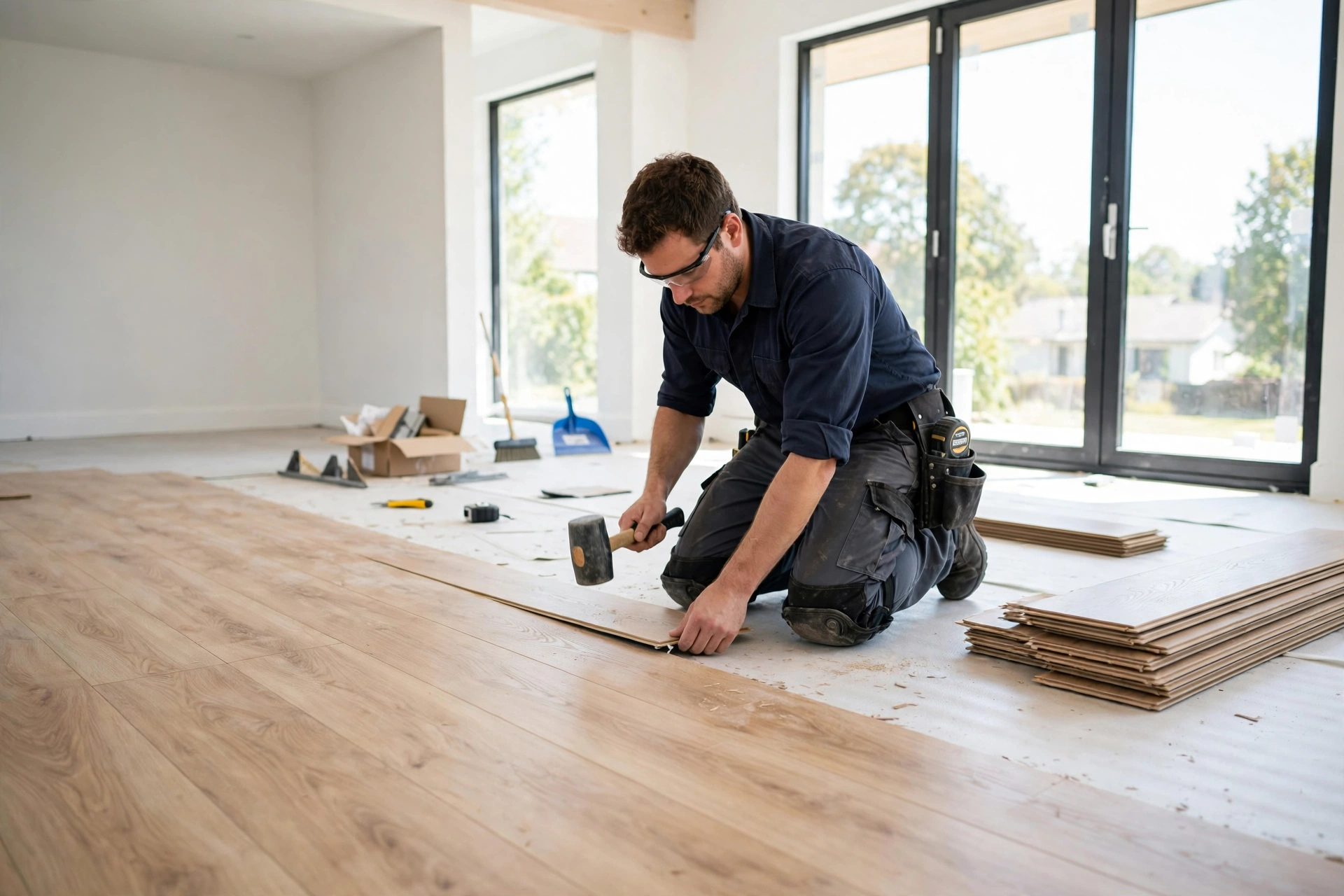
Most residential LVP uses click-lock floating installation: planks lock together tongue-and-groove and float over an underlayment. No nails, no glue, no mess.
The DIY reality: this is genuinely one of the most DIY-friendly floors in existence. If you can measure, cut straight lines, and tap planks together, you can install LVP. A 200-square-foot room is a weekend project for a first-timer, a single day once you’ve done it before.
What matters most:
- Subfloor prep — the unglamorous step everyone wants to skip. The subfloor must be clean, dry, and flat (within 3/16″ over 10 feet). Vinyl shows bumps. Level it now or regret it later.
- Acclimation — let the boxes sit in the room for 48 hours before installing. Vinyl expands and contracts with temperature; installing it cold then heating the house causes gaps.
- Expansion gaps — leave 1/4″ around all walls and fixed objects. Cover with baseboards. Skip this and the floor will buckle.
- Stagger the seams — offset plank ends by at least 6 inches between rows, and avoid H-patterns. Random stagger looks natural and is structurally better.
Glue-down LVT is a different animal — trowel adhesive, precise placement, no forgiveness. That’s pro territory for most people.
Vinyl vs Laminate vs Hardwood: The Quick Take
Vinyl vs laminate: vinyl wins on waterproofing — that’s the whole ballgame. Laminate wins slightly on price and (arguably) on the feel of the surface texture. If water is any concern at all, vinyl. If the room stays bone-dry and budget is king, laminate.
Vinyl vs hardwood: hardwood wins on beauty, feel, longevity, and resale value. Vinyl wins on price, waterproofing, durability against scratches and dents, and maintenance. It’s a lifestyle choice: the forever floor vs the practical floor.
Vinyl vs tile: tile wins on heat resistance and prestige in wet areas; vinyl wins on comfort, warmth, cost, and DIY-friendliness. For bathrooms, both work — tile is the traditional pick, vinyl the comfortable one.
How to Choose: The 5-Minute Buying Guide
- Pick SPC core unless you have a specific reason not to. Denser, more stable, better value right now.
- 20-mil wear layer minimum for living areas, hallways, kitchens. 12-mil is fine for guest bedrooms and closets.
- Check the locking system — angle-tap systems are easier and more reliable than some proprietary locks.
- Get samples home. Flooring looks completely different in your lighting, next to your furniture. Live with samples for a few days. This step is free and prevents the most common regret.
- Buy 10% extra. For cuts, mistakes, and future repairs. Dye lots change — the planks you buy in three years won’t match exactly.
The Environmental Question
Let’s address it honestly: vinyl is plastic. PVC production has environmental costs, and vinyl flooring isn’t biodegradable. If minimizing plastic matters deeply to you, linoleum or hardwood are better choices — no greenwashing here.
That said, modern vinyl is better than its reputation suggests. Look for FloorScore certification (low VOC emissions — the indoor air quality concern is largely solved in certified products), phthalate-free formulations (now standard in quality products), and manufacturers with take-back recycling programs (still rare, but growing).
The counterpoint worth weighing: a 25-year vinyl floor that never needs replacing has a smaller footprint than a “natural” floor replaced twice. Durability is an environmental feature too.
Related: Linoleum Flooring Guide — the natural alternative, explained honestly.
Frequently Asked Questions
What is LVP flooring, in simple terms?
Luxury vinyl plank — waterproof planks that look like wood, click together without nails or glue, and cost a fraction of hardwood. It’s the best-selling flooring type in the US right now.
Is vinyl plank flooring waterproof?
The planks themselves are waterproof — PVC doesn’t absorb water. But water can seep between click-lock seams to the subfloor in a flood. For spills and mopping, it’s effectively worry-free.
What’s the difference between SPC and WPC?
The core material. SPC (stone plastic composite) is denser, thinner, and more dent-resistant. WPC (wood plastic composite) is thicker and slightly softer underfoot. SPC is the better buy for most people today.
How long does vinyl plank flooring last?
15–25 years in a home with a decent wear layer (20 mil). Commercial settings: 10–15. The wear layer thickness is the biggest factor.
Can you put vinyl flooring over tile?
Often yes, if the tile is smooth, level, and well-adhered. Deep grout lines need skim-coating first or they’ll telegraph through. When in doubt, ask the installer to check flatness.
Does vinyl flooring increase home value?
Not the way hardwood does. It’s considered a practical, mid-range floor — it won’t hurt value, but don’t expect a premium. In rentals and family homes, that’s a perfectly fine trade.
Is vinyl flooring safe? What about VOCs?
Look for FloorScore or GREENGUARD certification, which verify low VOC emissions. Cheap uncertified vinyl can off-gas — another reason not to buy the bargain stuff.
The Bottom Line
Vinyl flooring earned its popularity the honest way: it solves real problems. It’s waterproof, tough, good-looking, affordable, and installable in a weekend. It’s not hardwood — it won’t add resale value or develop a patina — but for the way most families actually live, with kids, pets, spills, and chaos, it’s the most practical floor you can buy. Buy SPC, get a 20-mil wear layer, prep your subfloor properly, and you’ll have floors you don’t think about for twenty years. That’s the highest praise a floor can get.
Pingback: Waterproof Flooring: Best Options Guide - Seen Scale
Pingback: Types of Flooring: The Complete Guide
Pingback: Sheet Vinyl Flooring Guide - Seen Scale
Pingback: Peel and Stick Floor Tiles: Complete Guide
Pingback: Flooring Installation: Costs & DIY Guide - Seen Scale
Pingback: Commercial Flooring Guide
Pingback: Vinyl Tile Flooring Guide - Seen Scale