
Vinyl tile — LVT, luxury vinyl tile — is the square sibling of vinyl plank, and it deserves its own guide because it does things plank can’t. Stone looks, geometric patterns, groutable installations that mimic real tile: LVT opens design doors that long planks simply don’t. If you love the idea of vinyl’s practicality but want tile’s aesthetics, this is your floor.
This guide covers what LVT is, how it compares to sheet vinyl and vinyl plank, the types available, installation, costs, and where it shines.
What Is Vinyl Tile (LVT)?
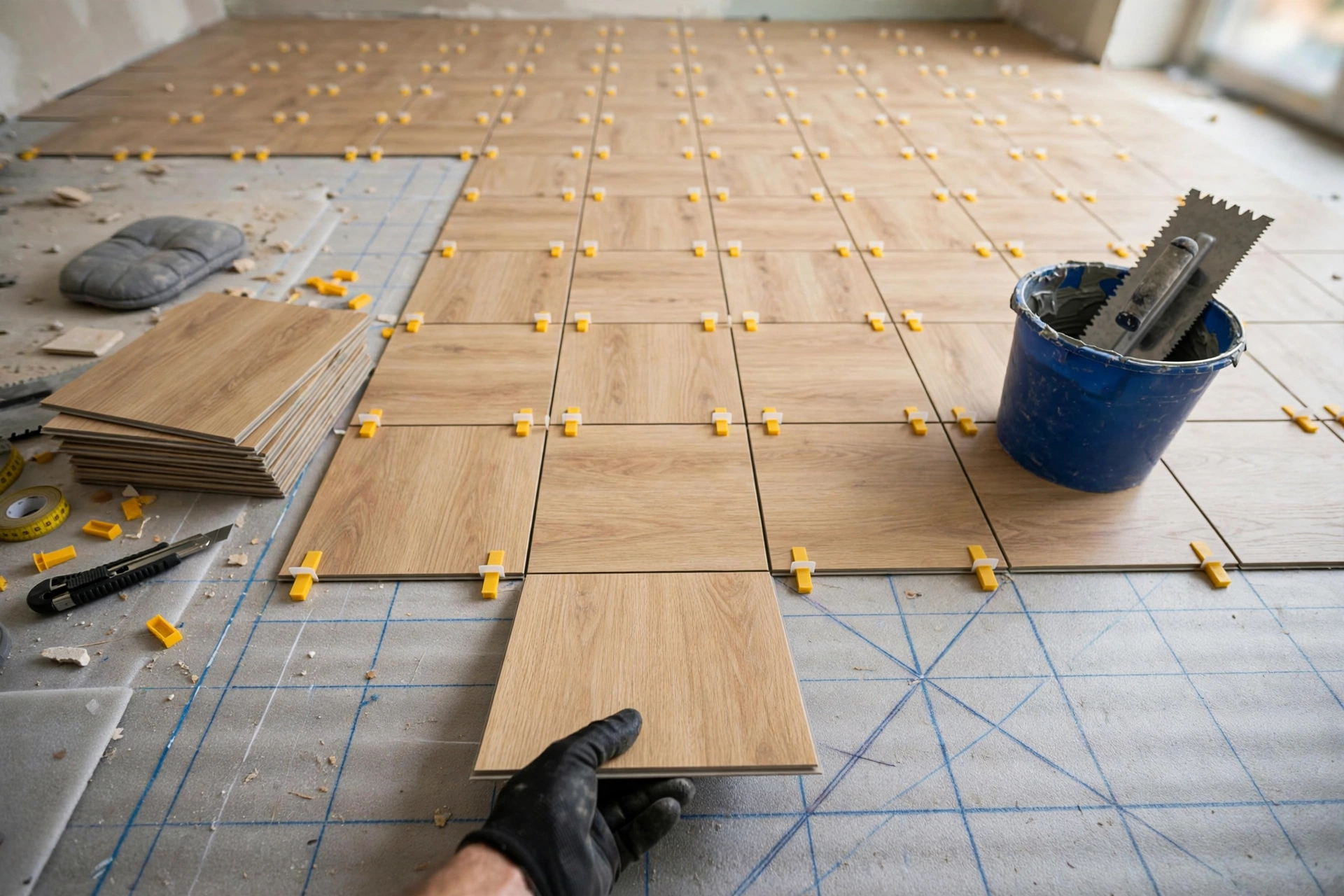
LVT — luxury vinyl tile — is vinyl flooring in tile formats (typically 12″x12″, 18″x18″, or 12″x24″) rather than plank formats. Same PVC-based construction as LVP: wear layer, printed design layer, rigid or flexible core. The difference is purely format — and format changes everything about how a floor looks.
Where LVP mimics wood planks, LVT mimics stone, ceramic, concrete, and geometric patterns. Marble-look LVT, slate-look LVT, encaustic-pattern LVT — designs that would look absurd as long planks look natural as tiles.
LVT vs Sheet Vinyl vs Vinyl Plank
LVT vs vinyl plank (LVP): same material family, different aesthetics. Plank = wood looks, linear layouts. Tile = stone/ceramic looks, grid layouts. Choose based on the visual you want; performance is comparable at the same quality tier.
LVT vs sheet vinyl: LVT comes in individual tiles (click-lock or glue-down); sheet vinyl is one continuous piece. Sheet wins on water protection (fewer seams) and price. LVT wins on repairability (replace one tile, not the whole floor) and design variety. LVT also handles subfloor imperfections slightly better in click-lock form.
My honest take: if you want the tile aesthetic with vinyl’s comfort and practicality, LVT is the answer. If you want wood looks, get LVP. The format decision is really a design decision.
Related: Vinyl Flooring Guide — the complete LVP/LVT/SPC breakdown.
Types of Vinyl Tile
Glue-down LVT is the traditional commercial format. Tiles adhere fully to the subfloor with pressure-sensitive adhesive. Thinner, extremely stable, and the most watertight vinyl tile installation (no floating gaps for water to enter). The pro choice for bathrooms and commercial spaces.
Click-lock LVT floats like LVP — rigid core tiles that lock together. DIY-friendly, slightly thicker, and replaceable tile-by-tile. The residential favorite.
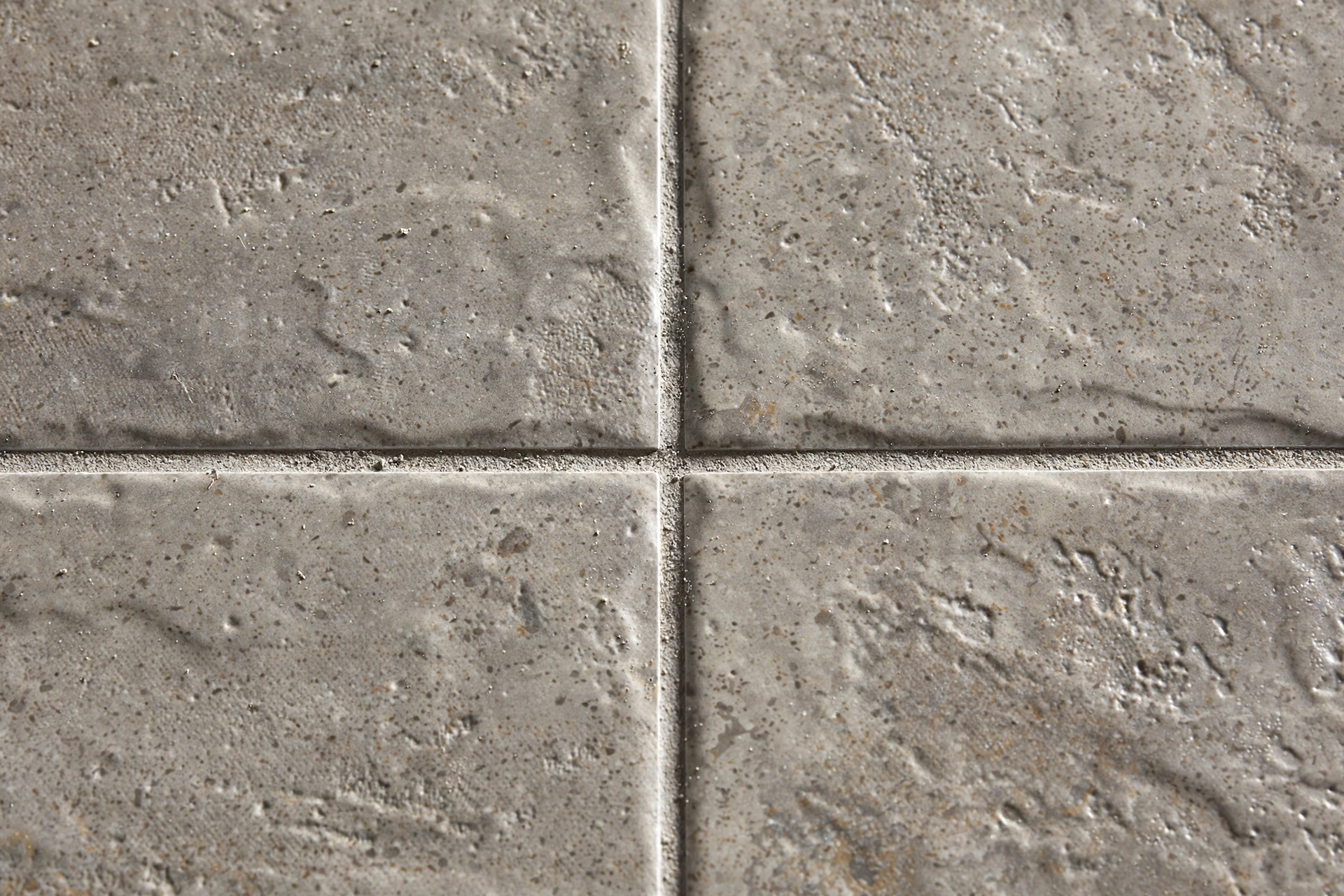
Groutable LVT is designed to be installed with grout joints like real ceramic tile. The result is remarkably convincing — most visitors can’t tell it’s vinyl until they touch it (it’s warmer and slightly softer). Uses actual grout (or grout-look strips), so you get the tile aesthetic without tile’s hardness, cold, or installation cost.
Loose-lay LVT uses friction/gravity (heavy tiles with non-slip backing) rather than adhesive or locking. Common in commercial spaces where the floor needs to come up easily. Less common residentially.
Honest Pros and Cons
Pros:
- Tile and stone aesthetics without tile’s cost, cold, or hardness
- Waterproof material (PVC)
- Individual tile replacement — surgical repairs
- Groutable options look remarkably like real tile
- DIY-friendly in click-lock form
- Warmer and softer than ceramic tile
Cons:
- More seams than sheet vinyl (water can reach subfloor in floods)
- Groutable LVT still needs grout maintenance (sealing, cleaning)
- Can look less premium than real stone up close
- Glue-down installation is pro work
- Pattern alignment matters — bad layout is very visible in grid patterns
Installation: What to Expect
Click-lock LVT: same process as LVP — acclimate, plan layout from center lines, click together, cut edges. The grid layout actually makes planning easier than plank (symmetrical layouts are straightforward). Beginner-to-intermediate DIY.
Glue-down LVT: pro territory for most people. Subfloor must be very smooth, adhesive applied with correct trowel and open time, tiles set without air bubbles. Mistakes are harder to fix than click-lock.
Groutable LVT: install like glue-down, then grout after adhesive cures. Adds a day and grout skills to the project. The result justifies it if you want the real-tile look.
Layout tip: tile layouts show mistakes mercilessly. Dry-lay from the center, keep grout lines straight with spacers, and plan cuts so edge tiles are balanced. A crooked grid is the first thing anyone notices.
What Does Vinyl Tile Cost?
- Materials: $2–$5/sq ft (residential click-lock); $3–$6/sq ft (commercial glue-down, thicker wear layers)
- Installed: $4–$8/sq ft for click-lock; $5–$10/sq ft for glue-down or groutable (more labor)
- Vs real tile: comparable materials cost less than premium ceramic, and installation is significantly cheaper (no thinset, no wet saw for click-lock)
The value sweet spot: click-lock LVT at $3–$4/sq ft materials, DIY installed. Stone-look floors for the price of budget laminate.
Best Rooms for Vinyl Tile
Kitchens — stone-look LVT is arguably the ideal kitchen floor: tile aesthetics, vinyl practicality, comfortable underfoot. Groutable LVT here looks genuinely high-end.
Bathrooms — glue-down LVT for maximum water protection, or click-lock for DIY. Either beats the cold hardness of ceramic for comfort.
Entryways and mudrooms — slate-look or concrete-look LVT handles dirt and moisture while looking intentional.
Basements — moisture-tolerant, and the tile aesthetic suits basement spaces better than wood-look plank for many people.
Laundry rooms — same logic as bathrooms. Practical, cleanable, good-looking.
Maintenance
Same easy routine as all vinyl:
- Sweep or vacuum regularly
- Damp-mop with pH-neutral cleaner
- Avoid abrasive scrubbers and harsh chemicals
- Groutable LVT: seal the grout lines periodically (annually in wet areas) and clean grout with appropriate cleaners — the grout needs the same care as real tile grout
- Felt pads under furniture
Non-grouted LVT is essentially maintenance-free beyond basic cleaning. Groutable LVT trades a little maintenance for a lot of realism.
Wear Layers and Quality Tiers: How to Shop LVT
LVT quality varies enormously, and the specs that matter aren’t always on the box front. Here’s how to read them:
Wear layer (the #1 spec): measured in mil. Residential LVT: 8–12 mil (fine for bedrooms, living rooms). Better residential: 12–20 mil (kitchens, entries, active households). Commercial: 20+ mil. This transparent top layer is what stands between foot traffic and the printed design — everything else being equal, buy the thickest wear layer your budget allows.
Overall thickness: 4–8mm for rigid core click-lock. Thicker generally means more rigid, more forgiving of subfloor imperfections, and better sound dampening. But thickness without wear layer is just padding — check both numbers.
Core type: WPC (wood-plastic composite) is softer and warmer underfoot; SPC (stone-plastic composite) is denser, more dent-resistant, and more dimensionally stable. For kitchens and bathrooms, SPC’s stability wins. For living areas, WPC’s comfort is nice.
Beveled vs square edges: beveled edges (micro-bevel) define each tile and look more like real tile; square edges create a more seamless modern look. Neither is better — it’s aesthetic preference, though bevels hide minor height differences between tiles.
The scratch test: in the store, press your fingernail firmly into a sample and drag. Quality LVT resists marking; cheap LVT scratches visibly. It’s crude but surprisingly predictive.
LVT Design Ideas Worth Stealing
LVT’s tile format enables designs that plank can’t touch:
Checkerboard kitchens: black-and-white or gray-and-white LVT checkerboard — all the classic charm, none of tile’s cold hardness or grout maintenance (unless you go groutable, which still beats ceramic on comfort).
Large-format concrete looks: 24″x24″ concrete-look LVT in basements, mudrooms, and modern living spaces. Industrial without the cold.
Patterned entries: encaustic-pattern LVT in a foyer makes an unforgettable first impression. Bold pattern in a small space = jewelry, not overwhelm.
Wood-look tile formats: parquet and Versailles patterns in LVT give you classic wood patterns with vinyl’s waterproof practicality — the best of both worlds for kitchens.
Mixing sizes: some LVT lines offer multiple tile sizes designed to mix (like real stone installations). A varied-size layout looks custom and high-end for zero extra material cost.
Frequently Asked Questions
What’s the difference between LVT and LVP?
Format. LVT is vinyl in tile shapes (stone/ceramic looks); LVP is vinyl in plank shapes (wood looks). Same materials, same waterproofing, different aesthetics.
Is vinyl tile flooring waterproof?
The tiles are waterproof (PVC). As with all click-lock vinyl, water can seep between tiles to the subfloor in flooding. Glue-down LVT is the most watertight tile installation.
Can you grout vinyl tile?
Groutable LVT is specifically designed for it — install with grout joints, then grout like ceramic tile. Don’t grout standard click-lock LVT; it’s not designed for grout and the joints will fail.
LVT vs ceramic tile — which is better?
Ceramic wins on durability, heat resistance, and prestige. LVT wins on comfort, warmth, cost, DIY-friendliness, and repairability. For most residential bathrooms and kitchens, LVT is the more practical choice.
How long does vinyl tile last?
15–25 years residential with quality products (12+ mil wear layer). Commercial glue-down LVT: 10–20 years under heavy traffic.
The Bottom Line
Vinyl tile is vinyl flooring for people who love tile aesthetics — stone, ceramic, and geometric patterns with all of vinyl’s comfort, warmth, and practicality. Groutable LVT in particular is one of the best value propositions in flooring: the look of real tile at a fraction of the cost and effort. Choose your format by the visual you want (tile vs plank), your installation method by your skill level (click vs glue-down), and enjoy a floor that looks far more expensive than it is.
Related: Sheet Vinyl Flooring Guide — when one continuous sheet beats individual tiles.