
Ask ten people what linoleum is and nine will describe vinyl. That’s the tragedy of linoleum: one of the oldest, most natural, most durable resilient floors ever made, and it’s spent fifty years being confused with its plastic imitator. If you care about natural materials, indoor air quality, or floors that last decades, linoleum deserves your attention.
This guide covers what linoleum actually is, how it differs from vinyl, honest pros and cons, costs, installation, and where it makes sense.
What Is Linoleum, Really?
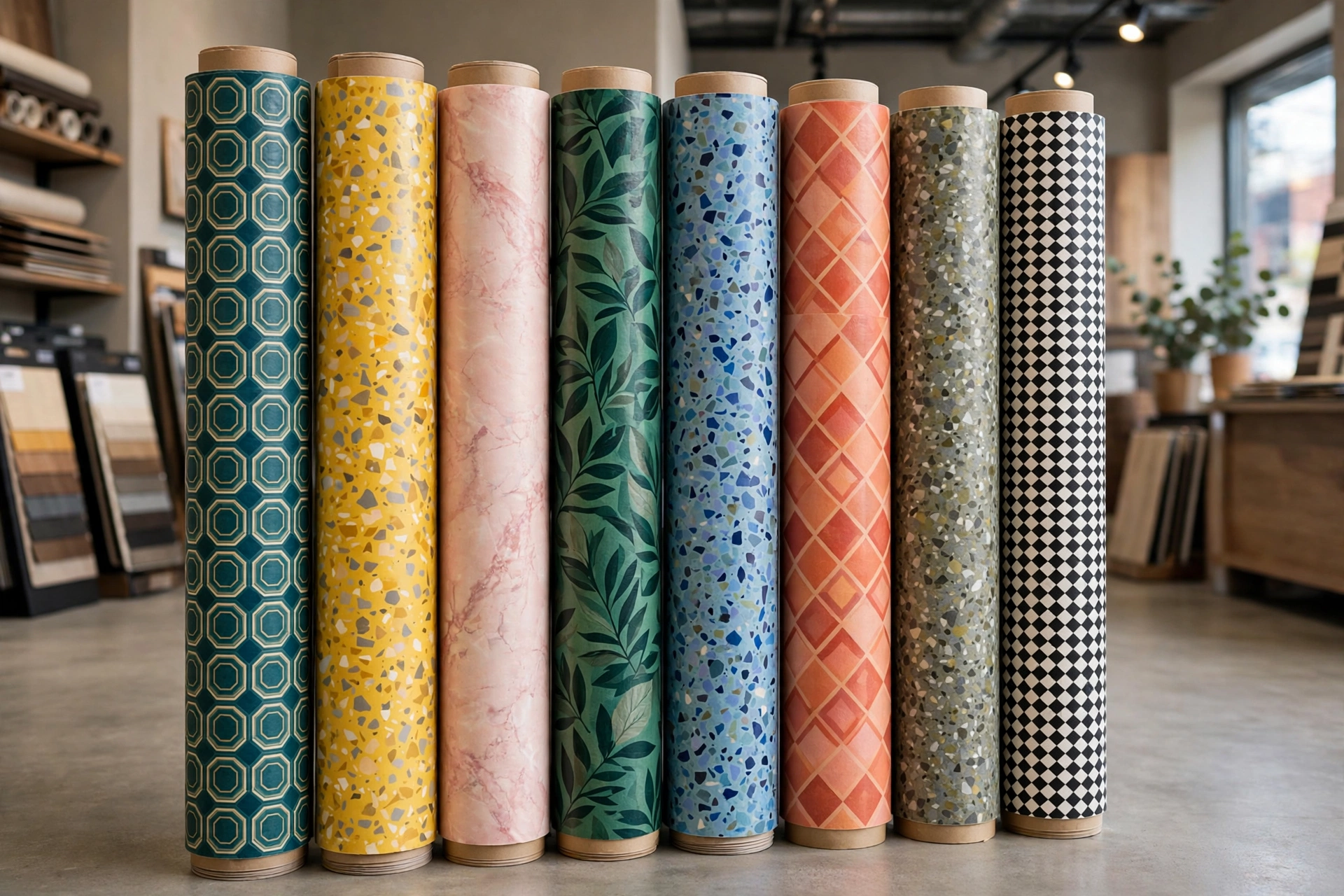
Linoleum is made from linseed oil (from flax plants), wood flour, cork dust, tree resins, and jute backing — all natural, all renewable. The name comes from linum (flax) + oleum (oil). Invented in the 1860s, it was the dominant resilient flooring for nearly a century before vinyl took over in the 1960s–70s.
The manufacturing is genuinely old-school: linseed oil is oxidized into a cement-like substance, mixed with the other ingredients, pressed onto jute, and cured for weeks. No PVC, no plasticizers, no phthalates.
The result is a floor that’s naturally antimicrobial — linseed oil inhibits bacterial growth on the surface, a property that’s been lab-verified. It’s also biodegradable and far less petroleum-dependent than vinyl floors.
Linoleum vs Vinyl: The Real Differences
This is the comparison everyone needs, because the confusion is total.
Materials: linoleum = natural (linseed oil, wood, cork). Vinyl = synthetic (PVC, plasticizers). If “no plastic” matters to you, this decides it immediately.
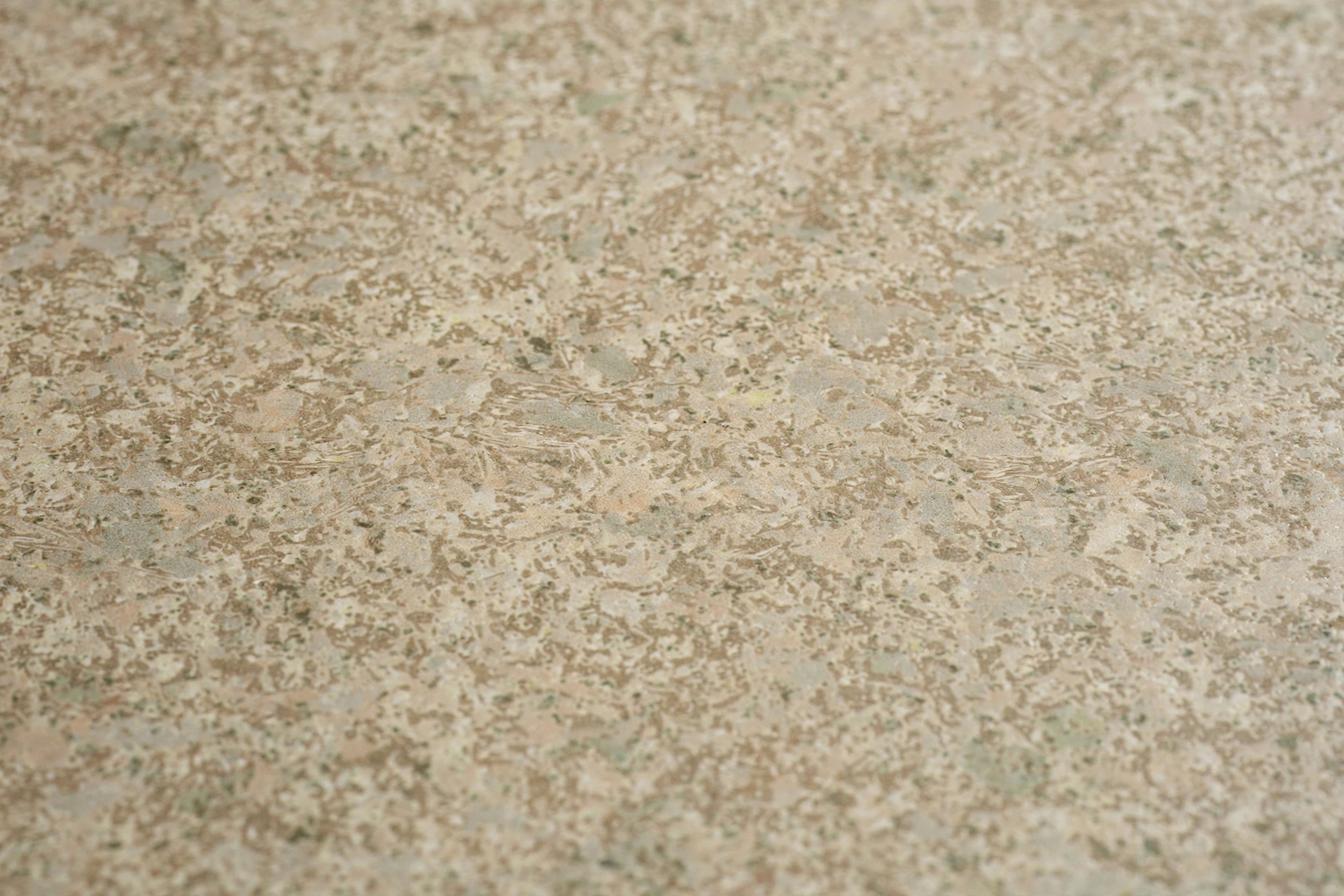
Feel: linoleum is warmer and slightly softer underfoot, with a matte, almost leathery texture. Vinyl (especially SPC) is harder and more rigid.
Durability: both last 20+ years with care. Linoleum’s color goes all the way through the material (it’s homogeneous), so scratches and wear don’t show a different layer underneath. Vinyl’s design is a printed layer — deep scratches reveal the core.
Water: vinyl wins. PVC is waterproof; linoleum is water-resistant. Linoleum handles damp mopping fine but doesn’t love standing water or soaking.
Looks: vinyl has the edge on wood/stone realism (photographic printing). Linoleum wins on rich, saturated solid colors and marbled patterns that vinyl can’t quite match.
Eco: linoleum wins by a mile — natural, biodegradable, low-VOC. Vinyl is petroleum-based (though FloorScore-certified vinyl is low-emission).
Price: similar ranges — $4–$8/sq ft installed for linoleum, $3–$7 for LVP.
My honest take: they’re not really competitors — they’re for different buyers. Choose vinyl for waterproofing and wood looks. Choose linoleum for natural materials, antimicrobial properties, and glorious color. The “which is better” question misses that they solve different problems.
Related: Vinyl Flooring Guide — the full breakdown of LVP, LVT, and SPC.
Honest Pros and Cons
Pros:
- All-natural materials, biodegradable
- Naturally antimicrobial surface
- Extremely durable (25–40 year lifespan)
- Color through the full thickness — hides wear beautifully
- Low VOCs, excellent indoor air quality
- Rich, unique colors and patterns
Cons:
- Not waterproof (water-resistant only)
- Higher upfront cost than budget vinyl
- Needs periodic sealing/waxing (depending on product)
- New-floor smell (linseed oil) and ambering that fades over weeks
- Fewer installers familiar with it
- Can dent under very heavy point loads
Formats: Sheet, Tile, and Click
Sheet linoleum is the classic — rolls 6.5 feet wide, glued down fully. Fewest seams, best performance, the traditional choice. Installation is pro work (large, heavy, unforgiving).
Linoleum tiles (usually 12″ or 20″ squares) are glued down individually. Easier to handle, and damaged tiles can be replaced individually — a real advantage.
Click linoleum is the newcomer — linoleum surface on a rigid click-lock core, floating installation like LVP. The DIY-friendly option, though the selection is smaller and it’s pricier.
What Does Linoleum Flooring Cost?
- Materials: $3–$6/sq ft (sheet and tile); $5–$8/sq ft (click)
- Installed: $4–$8/sq ft for glue-down; click runs similar to LVP installation
- Lifespan value: at 30+ years, the per-year cost is among the lowest of any flooring
The installation labor is the wild card — fewer installers do linoleum, so get multiple quotes. In some markets, the limited installer pool pushes labor costs up.
Installation: What to Expect
Glue-down sheet and tile linoleum is professional territory. The material is heavy, the adhesive has limited open time, and seams need to be tight. A bad linoleum install shows every flaw.
Click linoleum is genuinely DIY-friendly — same floating-installation principles as LVP and laminate.
Critical detail: linoleum needs to acclimate, and the subfloor must be exceptionally smooth. Because linoleum is thinner and more flexible than LVP, subfloor imperfections telegraph through mercilessly. The prep standard is closer to sheet vinyl than to rigid plank.
Maintenance
Simpler than most people expect:
- Sweep or vacuum regularly
- Damp-mop with a pH-neutral cleaner made for linoleum (not all-purpose cleaners — some strip the finish)
- Never use harsh alkaline cleaners or abrasive pads
- Depending on the product, periodic application of a manufacturer-recommended sealant or wax maintains the protective layer — typically every 1–2 years in residential use
- Wipe spills promptly; don’t let water stand
That’s it. No refinishing, no resealing grout, no special equipment.
Best Rooms for Linoleum
Kitchens — the sweet spot. Comfortable underfoot for long cooking sessions, handles spills with prompt wiping, antimicrobial surface is a genuine plus around food.
Playrooms and kids’ rooms — natural materials, soft-ish surface, antimicrobial. Parents love this combination.
Home offices — quiet, comfortable, professional looking in the right colors.
Mudrooms — handles the traffic, though not the soaking-wet-boot scenario. Use mats.
Skip: bathrooms (too wet), basements with moisture issues, and anywhere standing water is routine.
A Brief History of Linoleum
Linoleum’s story is a rise, fall, and quiet comeback. Invented by Frederick Walton in 1860s England, it became the world’s first widely-used resilient flooring — by the 1920s, it was in nearly every middle-class kitchen in America and Europe. The patterns were iconic: bold geometrics, art deco borders, marbled swirls.
Then came vinyl in the 1960s — cheaper, waterproof, aggressively marketed — and linoleum nearly vanished from residential use within two decades. For years, “linoleum” survived mainly as a generic word people used for any sheet flooring (which is exactly why the confusion with vinyl persists).
The comeback started in the 2000s, driven by green building. Architects rediscovered that linoleum is one of the most sustainable floors ever made — natural, long-lasting, biodegradable. Today it’s specified in schools, hospitals, and eco-conscious homes worldwide. The irony: the “old-fashioned” floor turned out to be the future-friendly one.
Shopping for Linoleum: What to Look For
The linoleum market is smaller than vinyl’s, which makes shopping simpler — fewer choices, but you need to know what matters.
The big name: Forbo (Marmoleum) dominates the market and sets the quality standard. Their sheet and tile products are the reference point. Gerflor and Tarkett also make linoleum lines worth considering.
Thickness: residential sheet linoleum is typically 2.0–2.5mm; commercial grades run 2.5–4.0mm. Thicker = more durable and more forgiving, but also pricier and heavier to install.
Finish: modern linoleum comes with factory-applied protective finishes (like Topshield) that reduce the maintenance burden significantly compared to old-school linoleum that needed regular waxing. Confirm what finish your product has and what maintenance it requires.
Color and pattern: this is linoleum’s joy — saturated solids, subtle marbles, and linear patterns you won’t find in vinyl. Order large samples and live with them for a few days; linoleum’s matte texture looks different under your home’s lighting than in a showroom.
Where to buy: not every flooring store stocks linoleum. Call ahead. Specialty flooring retailers and green building suppliers are your best bets; big box stores carry limited selections.
Frequently Asked Questions
Is linoleum the same as vinyl?
No — completely different materials. Linoleum is natural (linseed oil, wood flour, cork); vinyl is synthetic (PVC). They look vaguely similar in sheet form, which causes the confusion.
How long does linoleum flooring last?
25–40 years with proper care. It’s one of the longest-lasting resilient floors — the color-through construction means it ages gracefully rather than wearing through a printed layer.
Is linoleum waterproof?
No — water-resistant. It handles damp mopping and spills fine, but standing water can damage it. Don’t put it in bathrooms or flood-prone basements.
Why does new linoleum smell?
That’s the linseed oil — a natural, non-toxic smell that fades over a few weeks. It’s not harmful off-gassing; it’s literally the smell of flax oil.
What is “ambering”?
New linoleum has a slight yellow/amber cast from the linseed oil that fades with light exposure over weeks. It’s temporary and normal — not a defect.
Is linoleum expensive?
Mid-range: $4–$8 installed. More than budget vinyl or laminate, less than hardwood or premium tile. The 30-year lifespan makes the long-term math very favorable.
The Bottom Line
Linoleum is the flooring world’s best-kept secret — natural, antimicrobial, absurdly durable, and beautiful in a way no plastic quite matches. It’s not waterproof and it’s not the cheapest, but for kitchens, playrooms, and anyone who wants real materials underfoot, it’s one of the finest floors you can buy. Give it a look before defaulting to vinyl; you might be surprised which one you prefer.